




The Battery Has One Job You Notice Immediately When It Stops Doing It
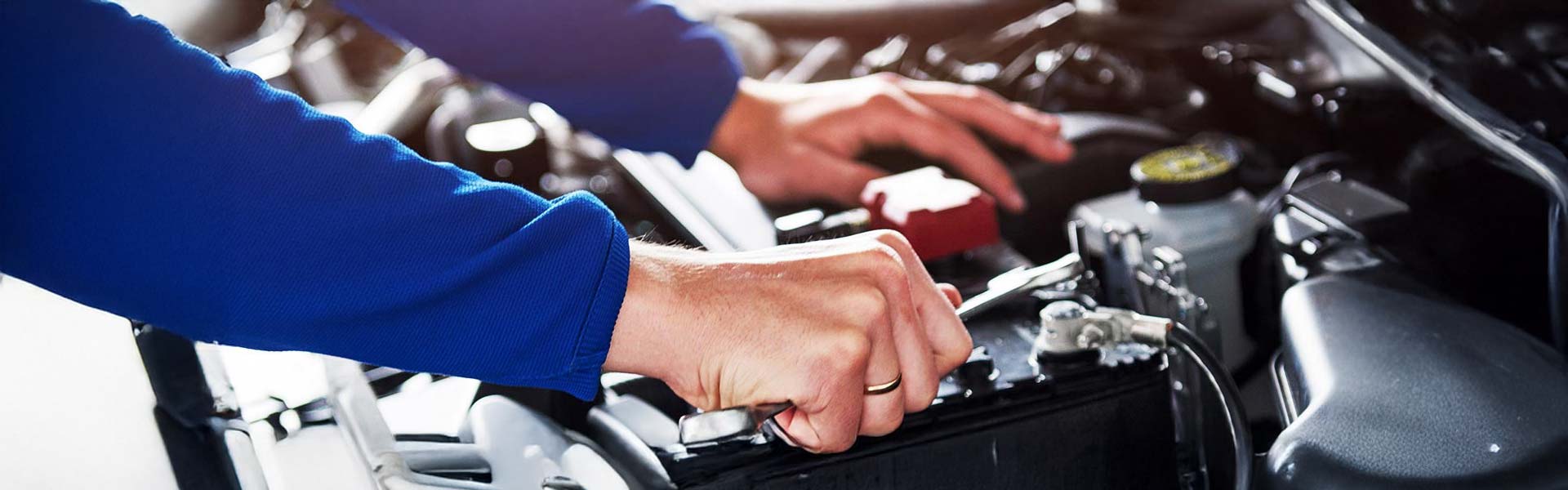
A battery can spend summer becoming weaker without making much fuss, then cooler temperatures arrive and suddenly the starter wants electricity the battery no longer has to spare. Battery testing can identify declining capacity before the familiar click-and-nothing routine begins. A fall electrical-system inspection should also include terminals and connections for corrosion or looseness, along with the charging system when appropriate. If starting has become slower or electrical behavior seems unusual, schedule battery service or electrical diagnostics instead of asking an aging battery for one more season of favors.
Tires Carry the Load and Brakes Have to Stop It
Everything your truck does eventually reaches the road through its tires. Check tread condition, inflation pressure, and signs of irregular wear, and use the pressure specified for your RAM truck. Seasonal temperature changes can affect tire pressure, making fall a sensible time for tire service and rotation if due. Then inspect the other half of the equation: the brakes. Pads, rotors, and related components need enough usable condition to control a loaded pickup on wet or slippery pavement. A brake inspection during a Multi-Point Inspection can find wear before stopping performance starts announcing it.
Fluids Are Working Even When You Aren't Thinking About Them
Engine oil lubricates moving components. Coolant manages engine temperature. Transmission fluid supports a transmission doing considerably more than sitting beneath the floor. Each fluid has specifications and service requirements determined by the truck and powertrain, so fall isn't an excuse to start pouring different fluids into things because the weather app showed a snowflake. Follow the RAM maintenance schedule and specified fluid requirements. If an oil change, cooling-system inspection, or other fluid service is due, handle it before colder weather adds another variable to machinery already doing difficult work.
Belts and Hoses Don't Need to Break to Tell You They're Worn
A serpentine belt transfers power to important accessories while spinning around pulleys thousands of times. Coolant hoses spend their working lives containing hot, pressurized fluid. Inspect belts for cracking, fraying, glazing, or other deterioration and hoses for visible damage or questionable condition. Filters deserve attention too. Engine and cabin air filters collect material specifically so it doesn't continue farther into the systems they're protecting. That's their job. Eventually, doing the job means becoming dirty enough to require replacement.
Seeing the Road Is Part of Maintaining the Truck
Fall brings longer periods of darkness, rain, and reduced visibility. Headlamps, taillamps, brake lamps, and other exterior lighting should work properly because other drivers need to see several thousand pounds of RAM truck coming. Wiper blades hardened or damaged by summer heat can begin streaking just when rain makes clear glass more important. Lighting inspections, wiper replacement, and washer-system checks aren't complicated repairs. That's precisely why discovering any of them doesn't work during a storm is particularly irritating.
Inspect It Before the Season Does
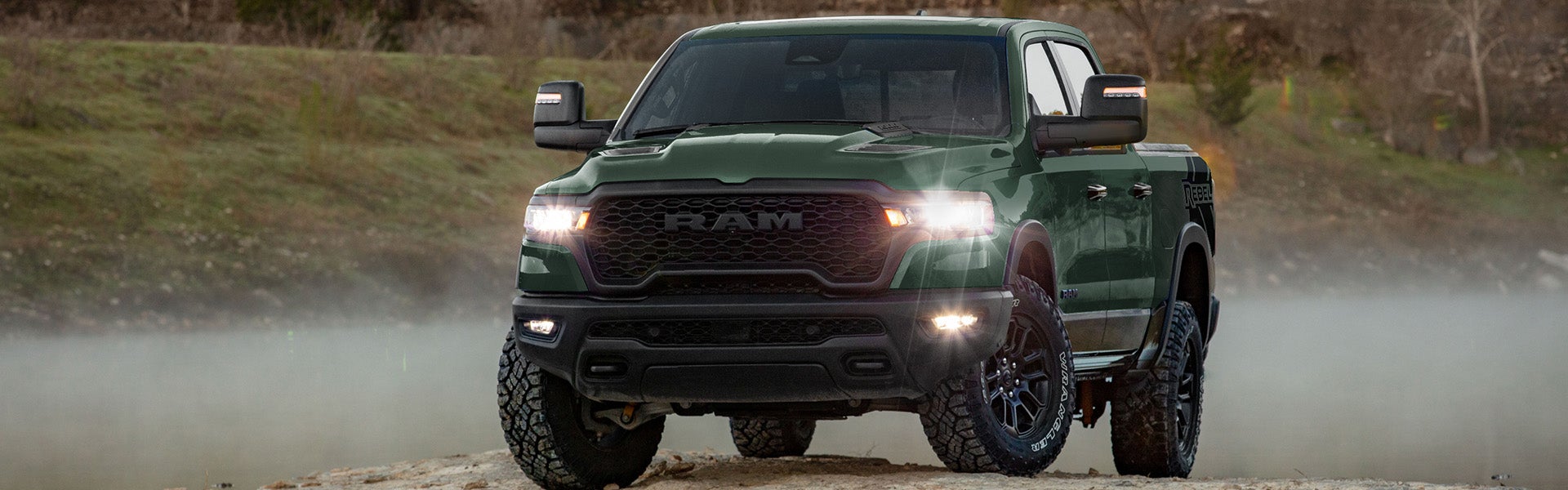
Select 2026 RAM trucks may include 10-year/100,000-mile limited powertrain warranty coverage subject to applicable terms and conditions, but warranty coverage doesn't replace scheduled maintenance. Blue Ribbon Chrysler Dodge Jeep serves RAM truck owners from Sallisaw, OK, and the Fort Smith, AR, area with seasonal inspections, battery service, tire service, brake inspections, oil changes, fluid checks, Multi-Point Inspections, and other scheduled maintenance. Check available service specials, find what your truck needs before colder weather finds it for you, and schedule RAM service online today.