
Blue Ribbon Chrysler Jeep Dodge Ram

Blog

Maximizing the Performance of Your Dodge with These Maintenance Tips

​​​​​​​​​​​​​​​​​​​​​​​​​​​​​​​​​​​​​​​​Regular Dodge maintenance is the key to a long and healthy life for your vehicle. Replacing worn or damaged parts, replenishing or replacing fluids, and other maintenance tasks are all performed by Dodge-trained technicians to ensure the highest possible standard of service. As your Dodge dealer, we want to tell you more about some of the maintenance we provide.

Tire Maintenance

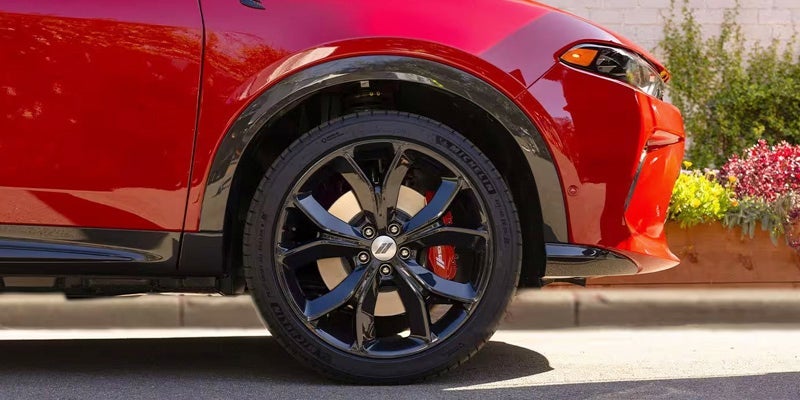
Healthy tires allow you to drive safely. If you have to hit the brakes to avoid an accident, good quality tires will bring your vehicle to a stop much faster as they generate more friction with the surface. This can make the difference between a near miss and a collision. Tires wear down due to friction, and on average, they need replacement every 40,000 miles.

Tires can suffer avoidable damage due to wheel alignment balance issues or worn shocks. They will also wear out faster if they're not regularly rotated. Tire rotations reduce wear and tear and extend their service life. Our technicians will examine your tires and recommend the level of maintenance necessary to keep them in good condition.

Brake Pad Replacement

A loud screeching from the brakes is usually a sign you need new brake pads. The brake pads provide friction against the wheel rotors, and this friction slows and stops your wheels. The pads have a 1/2" thick rough material covering that produces friction, but this material slowly degrades over time. Once the material thickness has dropped to 1/4", your pads need replacement.

The correct replacement time for your model is listed in your car manual. A metal spike buried in the pad material becomes visible and scratches against the rotor surface to produce the screeching noise. Replacing the pads is quick, and you'll notice an immediate increase in braking performance.

Oil Replacement

Regular oil changes are essential to keep your engine running efficiently. Oil lubricates numerous engine components, allowing them to work effectively and resist friction damage. As the oil flows through your engine, it helps to cool the hot components, and additives inside it help to prevent rust and break down engine deposits.

Oil becomes less effective as it ages since it thickens due to the accumulation of dirt and debris absorbed as it's passed through the engine. Thick oil can't provide the essential lubrication needed by the engine, increasing friction damage. We'll drain the old oil and replace the oil filter. We check the seal on the oil sump to ensure it's secure and there are no leaks. We then refill the oil.

If you want to know more about maintenance or to book your next service, contact us today at Blue Ribbon CDJR in Sallisaw, OK.
Recommended Posts

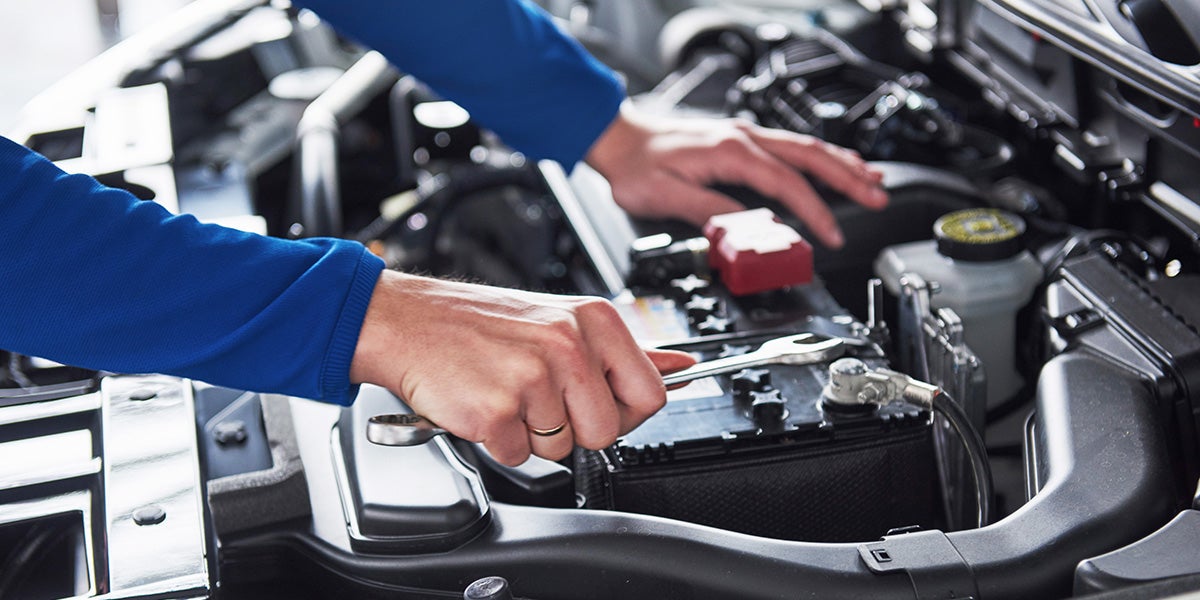
Technician using a wrench on a car battery terminal under the hood.

Pre-Holiday Service Checklist: Brakes, Battery & Fluids at Blue Ribbon CDJR Service Center in Sallisaw OK

Ready or not, the holiday season is here. And we all know what that means; longer drives, heavier loads, and more time on the road with the people who are important to you. Before you head out, a quick stop at Blue Ribbon CDJR service center in Sallisaw, OK can make the difference between a smooth trip and an unexpected breakdown. Here's what to check before the season kicks into full gear. Why Pre-Holiday Vehicle Service is Important Skipping routine maintenance before a big trip is one of the most common - and costly - mistakes drivers make. Cold weather puts extra strain on nearly every system in your vehicle, from the battery to the brake fluid. Getting ahead of potential problems now saves you from dealing with them on a crowded highway or in an unfamiliar town. Brake Inspection: Don't Wait for the Squeal Your brakes are your vehicle's most important safety system, and worn pads or low fluid can turn a minor problem into a serious one. During a brake inspection, a technician will check pad thickness, rotor condition, and brake fluid levels. If your pads are below 3 millimeters or your rotors show uneven wear or scoring, replacement is the right call before holiday travel begins. Brake fluid absorbs moisture over time, which lowers its boiling point and reduces stopping performance - especially under heavy use. A fluid flush restores that performance and is a service that's easy to overlook. Battery Testing: Cold Weather Is a Battery's Worst Enemy A battery that barely gets you through mild fall days may not survive a hard freeze. Most automotive batteries have a lifespan of three to five years, and cold temperatures can reduce a battery's cranking power by as much as 50 percent. A load test measures whether your battery can still hold and deliver a full charge under real-world demand. If your battery is showing signs of corrosion around the terminals, slow engine cranking, or dashboard warning lights, those are clear signals it's time for a replacement. Drivers looking for auto repair near Fort Smith often make the short trip to Blue Ribbon CDJR in Sallisaw, OK for reliable battery service - and for good reason. Fluid Check: The Lifeblood of Your Vehicle Multiple fluids keep your vehicle running safely, and each one needs attention before a long holiday drive. Engine oil lubricates internal components and should be at the correct level and within its service interval. Coolant, also called antifreeze, regulates engine temperature and prevents freezing in cold conditions - a 50/50 mix of coolant and distilled water is the standard recommendation for most climates. Transmission fluid, power steering fluid, and windshield washer fluid round out the checklist. Low or degraded transmission fluid can cause rough shifting or long-term damage. And don't underestimate washer fluid - winter road grime and salt spray can reduce visibility fast, so keeping the reservoir full with a freeze-resistant formula is a simple but smart move. Tires and Wipers: Two More Items Worth Checking While you're in for service, ask the technician to check your tire tread depth and inflation. Tires lose roughly one pound per square inch of pressure for every 10-degree drop in temperature, which affects handling and fuel efficiency. A tread depth below 4/32 of an inch probably should be replaced, especially if wet or icy roads are in the forecast. Wiper blades are another quick thing to winterize. If yours are streaking or skipping, a fresh set costs very little and dramatically improves visibility in rain, sleet, or snow. Visit Blue Ribbon CDJR Before You Hit the Road Drivers throughout Sallisaw, OK, and the Fort Smith area, trust the team at Blue Ribbon Chrysler Dodge Jeep to keep their vehicles in top shape. Scheduling a pre-holiday service appointment is one of the smartest things you can do before the season gets busy. B ook your appointment today and head into the holidays with confidence.

Silver Jeep driving along a rocky dirt trail with its lights on and dust rising behind it.

Used Jeep Wrangler vs. Grand Cherokee for the Ozarks

If you've been searching for a used Jeep Wrangler in Fort Smith, AR, there's a good chance the Grand Cherokee has also caught your eye. Both are capable 4x4s with strong followings across eastern Oklahoma and western Arkansas - but they're built around very different ideas of what an off-road vehicle should be. Here's how to think through the choice before you buy. What Makes the Wrangler the Wrangler The Wrangler is built for serious off-road use in a way that very few vehicles can match. Its solid front and rear axles, short wheelbase, and high ground clearance give it an edge on the rocky, rooted trails you'll find throughout the Ozarks and the Ouachita backcountry. Rubicon-trimmed used models add locking front and rear differentials and a disconnecting sway bar, which lets each wheel move more independently over uneven terrain. The Wrangler also offers something no other Jeep does: removable doors and a fold-down windshield. If open-air driving on back roads near Sallisaw, OK is part of the appeal, the Wrangler delivers it in a way the Grand Cherokee simply cannot. What the Grand Cherokee Brings to the Table The Grand Cherokee is a more well-rounded SUV. It offers a smoother, quieter ride on pavement, more interior space, and a more comfortable cabin overall. Used Grand Cherokee models equipped with Quadra-Trac or Quadra-Drive four-wheel-drive systems handle unpaved roads, muddy fields, and light trail work easily - they're just not built for the same extreme angles and obstacles the Wrangler tackles. The Trailhawk trim is worth seeking out in the used market if off-road performance is important to you. It comes with raised suspension, skid plates, and a dedicated off-road mode, giving it noticeably more capability than a standard trim. If you need three rows, the Grand Cherokee also offers a three-row configuration that the Wrangler can't match. Matching the Vehicle to Your Terrain Think about where you actually drive. If your weekends involve technical four-wheeling - rock crawling, deep mud, or steep hill descents on forest service roads - the Wrangler is the right tool. Its approach and departure angles are among the best in the segment, and the aftermarket support for used Wranglers is enormous, making it easy to add a lift, larger tires, or a winch. If you spend most of your time on paved roads with occasional gravel or dirt, and you want a used 4x4 SUV that doubles as a comfortable family vehicle, the Grand Cherokee is the smarter fit. Drivers throughout Sequoyah County who need to tow a boat or camper will also appreciate the Grand Cherokee's higher tow ratings compared to most Wrangler configurations. Key Questions to Ask When Shopping Used Before committing to either model, check the maintenance history and look for signs of hard off-road use - especially on Wranglers, which may have been modified or pushed hard by previous owners. Inspect the frame, skid plates, and undercarriage for damage. On used Grand Cherokees, pay attention to the condition of the air suspension if the vehicle is equipped with it, since repairs can be costly. Both models have strong resale value and a loyal owner base, which means well-maintained examples are worth finding. A test drive on a mix of pavement and gravel will tell you a lot about which one fits your needs. Find Your Next 4x4 at Blue Ribbon Chrysler Dodge Jeep No matter if a used Jeep Wrangler is on your list or you're leaning toward a Grand Cherokee, Blue Ribbon Chrysler Dodge Jeep is a great place to start. Shoppers from Sallisaw, OK and across the region can browse available inventory online and connect with a team that knows these vehicles well. Stop in and find the right used 4x4 SUV for the roads - and trails - ahead.

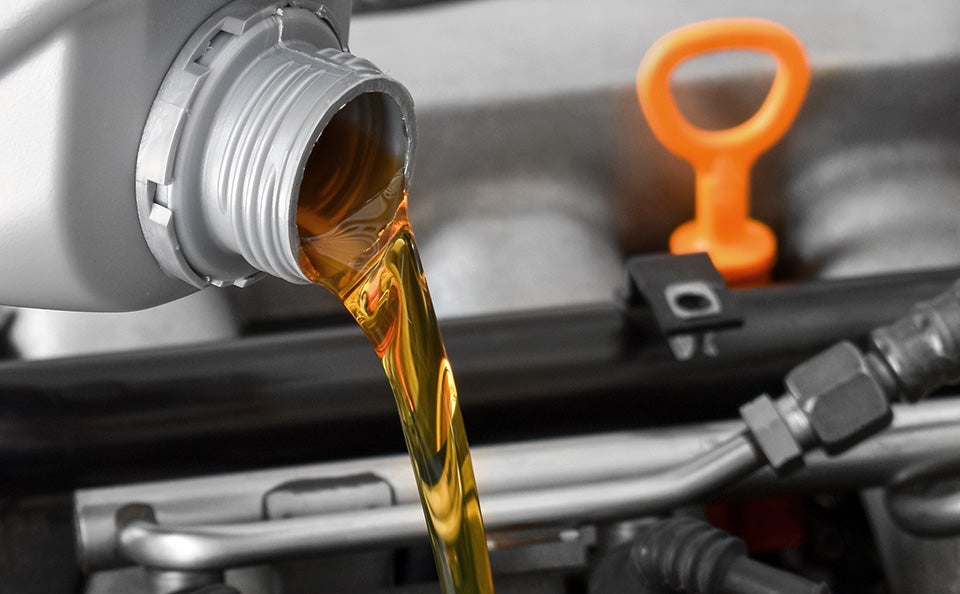
Golden motor oil being poured into an engine beside an orange dipstick handle.

Why Synthetic Oil Changes Protect HEMI & Hurricane Engines in Cold Weather

Even for a rugged truck like RAM, winter can be tough, especially when it comes to getting started. And we can understand, after all, who really wants to get started on a cold winter morning in Sallisaw, OK? Well, we can't help you get started on a winter morning, but we can help your RAM truck this winter. No matter if you're running a classic 5.7L HEMI V8 or the newer 3.0L Hurricane twin-turbocharged inline-six, the oil circulating through your engine is the first line of defense against cold-start wear. Choosing the right oil - and changing it on schedule - makes a big difference in how long those engines last. How Cold Weather Affects Engine Oil Conventional motor oil thickens as temperatures fall. When you turn the key on a cold morning, thickened oil takes longer to circulate through the engine, leaving metal components running against each other with minimal lubrication for several critical seconds. Those seconds add up over thousands of cold starts across the life of a truck. Synthetic oil is engineered with a more uniform molecular structure that resists thickening in low temperatures. It flows faster at startup, reaching the crankshaft, camshafts, and valve train sooner than conventional oil can. For a high-output engine like the Hurricane, which relies on precise oil pressure to manage its twin turbochargers and variable valve timing system, that faster flow matters a great deal. Why the HEMI Engine Benefits from Synthetic Oil The 5.7L HEMI and 6.4L HEMI both use Multi-Displacement System technology, which deactivates cylinders under light load to improve efficiency. This system depends on oil pressure to activate and deactivate the cylinder-deactivating lifters. Cold, sluggish conventional oil can cause that system to hesitate or operate roughly during warm-up. Full synthetic oil maintains the viscosity consistency the MDS system needs to function smoothly from the moment the engine fires. Ram recommends 0W-40 full synthetic oil for the 5.7L HEMI in many applications. That "0W" rating means the oil flows as freely as a zero-weight oil in winter conditions, while still providing the protection of a heavier-weight oil once the engine reaches operating temperature. Why the Hurricane Engine Needs Synthetic Oil From the Start The Hurricane inline-six is a turbocharged engine, and turbos are particularly vulnerable to oil-related wear. Turbocharger bearings spin at extremely high speeds and rely entirely on oil to keep them lubricated and cool. After a cold start, if oil reaches the turbo slowly, those bearings experience momentary metal-to-metal contact. Over time, that wear shortens turbocharger life significantly. Full synthetic oil's cold-flow advantage directly reduces that risk. It also handles the high heat that builds up inside a turbocharger more effectively than conventional oil, resisting breakdown and keeping the oil passages feeding the turbo clean and clear. Drivers in the Fort Smith area and across eastern Oklahoma who use their RAM trucks for towing, hauling, or off-road work put even more demand on these engines, making it important to stay on a regular oil change schedule using synthetic oil. The added thermal stability of synthetic oil holds up under the elevated temperatures that come with heavy loads. How Often Should You Change Synthetic Oil? Most RAM trucks equipped with a HEMI or Hurricane engine and running full synthetic oil can go longer between changes than vehicles using conventional oil, though your specific interval depends on your driving habits and what Ram's oil life monitoring system indicates. Towing heavy loads, driving in dusty conditions, or making frequent short trips will shorten that interval. Always follow the oil life monitor rather than guessing. Visit Blue Ribbon Chrysler Dodge Jeep for Ram Oil Change Service in Sallisaw, OK Scheduling your RAM oil change service in Sallisaw, OK before the coldest months arrive is one of the simplest ways to protect your truck. The team at Blue Ribbon Chrysler Dodge Jeep uses the correct synthetic oil specification for your specific engine, if you're driving a RAM 1500 with a HEMI or a newer model with the Hurricane 6. Don't wait for a warning light - stay ahead of the cold and keep your engine running the way it was built to. You can make an oil change appointment online today!