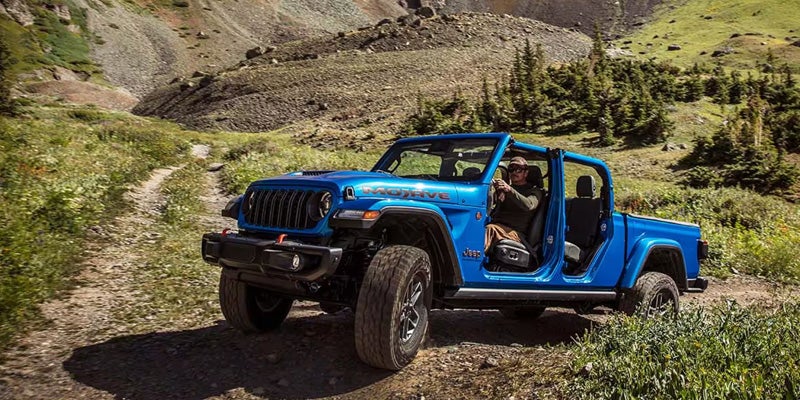





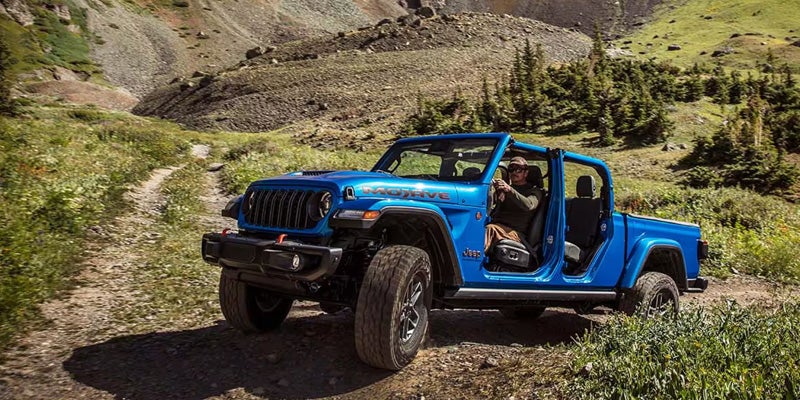
Fall is an excellent time to use a Jeep for what it was built to do. Cooler temperatures make a day on the trail more inviting, and the roads and backcountry around Sallisaw, OK, give Wrangler, Gladiator, and Grand Cherokee owners plenty of reasons to leave the pavement. Before doing that, though, the vehicle deserves some attention. Off-road driving places very different loads on tires, brakes, suspension, and drivetrain components than an ordinary commute. A little Jeep service in Sallisaw, OK, before the season starts can prevent a minor issue from becoming a much less convenient one several miles down a trail.
Start With the 4x4 Hardware
Four-wheel drive is useful only if everything is working properly when you ask for it. Before heading off-road, operate the available 4x4 modes according to the instructions for your specific Jeep. Engagement should be predictable, without unusual noises, warning messages, or behavior. Depending on the model and 4x4 system, inspection may include the transfer case, axles, differentials, driveshafts, and related components. Fluid condition and service intervals should follow the maintenance requirements for your specific vehicle rather than a universal schedule. If something doesn't feel right, our Jeep service department can inspect the system before your next trip. Drivers coming from nearby Fort Smith, AR, can also schedule 4x4 service before heading farther into the backcountry.
Look Closely at the Tires Before Looking for Mud
Off-road tires have a difficult job. They're expected to provide traction over loose surfaces while surviving rocks, ruts, roots, and all the other things a paved road politely removes. Inspect all 4 tires for cuts, cracking, bulges, punctures, and uneven tread wear. Check pressure when the tires are cold and compare it with the vehicle manufacturer's recommendations for normal road use. If you regularly drive off-road, inspect the spare as well. Discovering that the spare is damaged or improperly inflated after puncturing a tire is poor timing. Our Jeep tire service team can inspect tread condition, rotation needs, and alignment before fall trail season begins.
Brakes and Suspension Deserve Equal Attention
Steep descents make brake condition particularly important. Listen for unusual noises and pay attention to vibration, changes in pedal feel, or reduced braking response. A professional inspection can assess pads, rotors, fluid, and other braking components before you put them through more demanding use. Suspension components should also be checked for visible damage, leaks, or excessive wear. This becomes particularly important on Jeeps that already spend time off-road or have been modified. If you've recently hit a significant pothole, rock, or rut, don't assume everything underneath survived simply because the Jeep still drives normally.
Fluids Do More Work Than You Can See
Engine oil and coolant are obvious maintenance items, but a 4x4 has additional fluids that shouldn't be forgotten. Depending on your Jeep, the differentials and transfer case have their own lubrication and maintenance requirements. Check the recommended service schedule for the specific model, drivetrain, and operating conditions. Fall preparation is also a sensible time to inspect applicable filters, belts, hoses, and other routine maintenance items. Trail driving can expose the vehicle to considerably more dust and debris than highway use, making air-filter condition particularly worth checking. Explore our Jeep maintenance services if your Jeep is approaching a scheduled service interval.
Check the Things You'll Need After Sunset
Fall days get shorter, and trails have an inconvenient habit of taking longer than planned. Make sure the headlights, taillights, brake lights, and fog lights work correctly. If your Jeep has auxiliary lighting, inspect that equipment as well and use it responsibly where permitted. Battery condition is another easy item to check before temperatures begin dropping. Slow starting or other electrical symptoms deserve attention before you're relying on the vehicle somewhere remote. Then inspect your recovery equipment. Carry gear appropriate for your vehicle, terrain, and experience level, and confirm everything is in usable condition before leaving. Your trail kit may also benefit from basic emergency supplies, a first-aid kit, drinking water, and a reliable way to communicate.