Blue Ribbon Chrysler Jeep Dodge Ram

Blog / Blue Ribbon Chrysler Jeep Dodge Ram Service

Car Care Tips: How to Take Care of Your Windshield

Windshield and Wiper
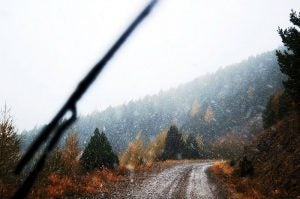
Your windshield is an extremely important part of your vehicle. Yet many people don't even think about maintaining it. However, ignoring damage on your windshield could lead to costly repairs and put your safety at risk when you're driving. Learn how to take care of your windshield so it's always in top shape.

Keep it Clean

Dead bugs, road grime, and pollen can all reduce your visibility. Even worse, these items can scratch the glass when you use your windshield wipers. These tiny scratches can eventually lead to larger cracks on your windshield. To keep your windshield clean, remember to wash it every time you stop for gas. You can also use a microfiber towel and a homemade solution of white vinegar and water to clean your windshield at home. After it's clean, don't forget to apply a rain repellent for even better visibility during wet weather.

Avoid Extreme Temperature Changes

If you've ever filled a warm glass with cold water, you know that it can shatter due to the drastic temperature change. This is because glass can actually expand and shrink as the temperature around it changes. To make sure this doesn't happen to your windshield, you want to avoid any quick and extreme temperature changes. If you park your car in a garage when it's cold outside, you should open the garage door before starting your car so the glass can slowly acclimatize to the outdoor temperature.

Change the Wiper Blades

Even though you don't use your windshield wipers every day, they typically only last six to 12 months. Heavy use and overexposure to the sun can cause them to deteriorate even faster. Squeaking, chattering, or other unusual noises when you use your wiper blades are all signs that it's time to replace them. If your blades are simply leaving streaks on your windshield, you can clean them by wiping down the edges with rubbing alcohol.

Practice Proper Driving Habits

Even though windshields are thick and sturdy, they can't handle everything that comes their way, including flying debris. If you're driving behind a large truck, maintain a safe distance so any hurtling rocks or other debris won't hit your windshield and cause a crack. You should also stay at least 10 feet behind the car in front of you, especially if you're driving down a road that has a lot of grit or numerous potholes.

Fix Chips Quickly

Even if you practice good driving habits, you might end up with a chip in your windshield. If you do, you should get it fixed as soon as possible. Most small chips can be filled in quickly and cheaply. However, if you ignore a small chip, everyday driving on bumpy roads could cause it to become a large crack that costs a significant amount of time and money to repair. When you follow these tips on how to take care of your windshield, you'll be able to extend the lifespan of the glass and enjoy excellent visibility every time you go for a drive.   Image via Pixabay
Posted in:

Related Posts

Auto technician inspecting a vehicle with a digital tablet during service

Jeep Summer Maintenance Tips to Keep Your Adventure Going

Summer is the best time to hit the trails, explore back roads, and make the most of everything your Jeep was built to do. But before you head out, it is worth taking a few minutes to make sure your vehicle is ready for the heat and the demands of the season. These Jeep summer maintenance tips will help you stay safe, avoid breakdowns, and get the most out of every drive. more Check Your Cooling System Summer temperatures put extra strain on your engine, making your cooling system one of the most important things to inspect before the season heats up. Make sure your coolant is at the proper level and that it has been flushed according to your owner's manual schedule. Check hoses for cracks, soft spots, or leaks, and inspect the radiator cap to confirm it seals properly. A well-maintained cooling system is key to avoiding overheating, especially if you plan on doing any off-road driving or towing. Inspect Your Tires and Brakes Hot pavement and rugged terrain are a tough combination for tires that are not in good shape. Check your tire pressure regularly, since heat causes air to expand and can lead to overinflation if not monitored. Also look at your tread depth and inspect the sidewalls for any cracking or bulging. While you are at it, have your brakes inspected as well. Brake pads wear down over time, and summer driving - especially if it involves hauling gear or going off-road - puts more stress on the entire braking system. Test Your Battery and Electrical System Most people associate battery problems with cold weather, but heat is actually harder on a battery than cold is. High temperatures accelerate the chemical breakdown inside the battery, shortening its lifespan. Have your battery tested to confirm it is holding a proper charge and check that the terminals are clean and free of corrosion. While you are checking the electrical system, make sure your air conditioning is working efficiently. A functioning A/C system is not just about comfort - it helps keep your engine from working harder than it needs to in extreme heat. Change Your Fluids and Filters Fluid levels and filter conditions often get overlooked, but they play a major role in how well your Jeep performs in the summer. Check your engine oil, transmission fluid, brake fluid, and power steering fluid. If any are low or due for a change, take care of it before summer driving gets into full swing. A clean air filter also helps your engine breathe properly and run efficiently when temperatures are high. Prepare for Off-Road and Trail Adventures If summer means trail riding for you, a few extra steps will go a long way. Inspect your skid plates, differential covers, and undercarriage for any damage from previous outings. Check your four-wheel drive system to make sure it engages and disengages smoothly. Look over your lighting, tow hooks, and recovery gear to confirm everything is in working order before you hit the dirt. Visit Us for Jeep Service in Sallisaw, OK Your Jeep is built for adventure, and a little preparation goes a long way toward making sure it is ready when you are. From fluid checks to tire inspections, these Jeep summer maintenance tips cover the essentials every driver should address before the season gets underway. If you are ready to schedule your next service visit, the expert team at Blue Ribbon CDJ is here to help you keep your Jeep in top shape all summer long. Stop by or give us a call to set up an appointment today.

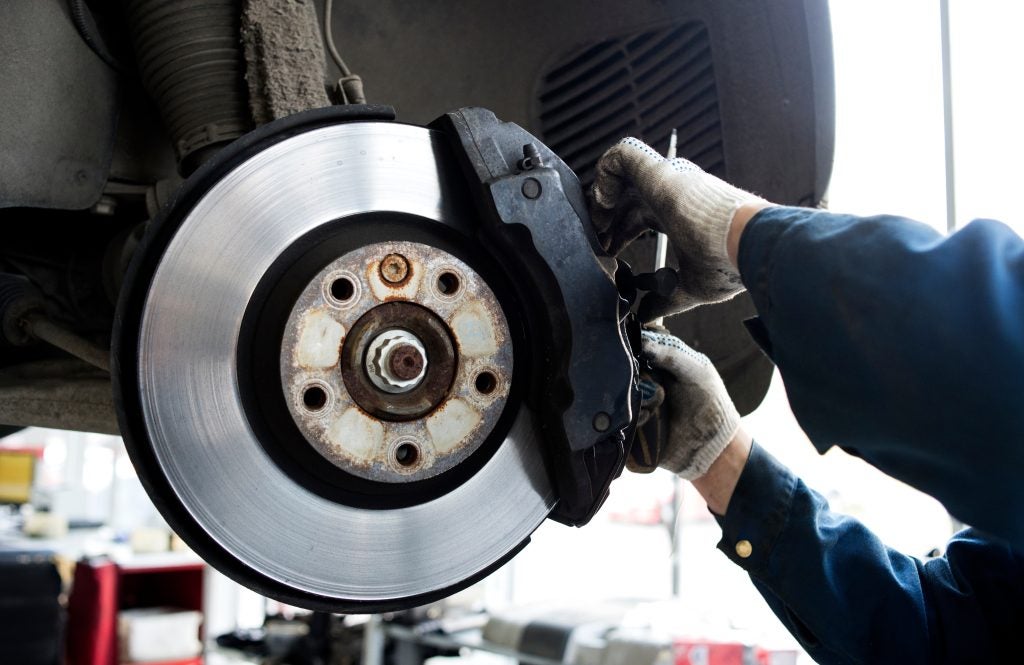
Close-up view of a car brake rotor and caliper being inspected or repaired by a mechanic wearing gloves in an automotive workshop.

Brake Service in Sallisaw, OK: What Every Driver Should Know

Your brakes are the most important safety system on your vehicle. Whether you're driving a Dodge Charger, a Durango, or any other vehicle in your garage, keeping your brakes in top condition isn't optional—it's essential. While it’s easy to put off, brake service in Sallisaw, Oklahoma is crucial to avoid inconveniences and even accidents going forward. This guide will walk you through everything you need to know, from warning signs to service intervals and what to expect when you bring your vehicle in. more Why Brake Service Matters Brakes don't fail all at once. They wear down gradually over time, so many drivers don't realize there's a problem until it becomes a serious safety concern. Regular brake service helps catch wear early, before it leads to costly repairs, or worse. Brake components, including pads, rotors, calipers, and brake fluid, all have a lifespan. Staying ahead of that wear keeps you, your passengers, and everyone else on the road safer. How Often Do Brakes Need Service? It’s one of the most common questions drivers ask about maintenance. This depends on several factors, including your driving habits, the type of vehicle you drive, and the conditions you typically encounter. As a general guideline, brake pads should be inspected at least once a year or every 12,000 miles. Most brake pads last anywhere from 25,000 to 65,000 miles, but stop-and-go city driving, frequent towing, or aggressive braking can shorten that range significantly. Rotors typically last longer but should be measured for thickness and inspected for warping during every brake service visit. Warning Signs Your Brakes Need Attention We all dread it. Your vehicle will usually give you clear signals when it's time for brake service. A high-pitched squealing sound when you apply the brakes is one of the first signs—that noise often comes from a wear indicator built directly into the brake pad. If you hear grinding, that typically means the pad material is gone and metal is contacting metal, which requires immediate attention. Other warning signs include a soft or spongy brake pedal, pulling to one side when braking, vibration through the steering wheel or pedal, or brake warning light illuminating on your dashboard. If you notice any of these, don't wait to schedule brake service in Sallisaw, Oklahoma. What Happens During a Brake Inspection When you bring your vehicle in for brake service, a technician will perform a thorough inspection of your entire braking system. This includes measuring brake pad thickness, checking rotor condition, inspecting brake calipers for proper function, and testing brake fluid for moisture contamination. Brake fluid absorbs moisture over time, which lowers its boiling point and can reduce braking performance, especially during extended or heavy braking situations. Many manufacturers recommend flushing brake fluid every 2 to 3 years as part of routine brake service maintenance. Keeping Your Dodge Performing at Its Best Dodge vehicles are built with performance in mind, and that performance is only as good as the systems supporting it. Whether you're driving a Durango that handles school pickups and weekend towing or a Charger Scat Pack that demands serious stopping power, staying current on brake service in Sallisaw, Oklahoma protects your investment and keeps your drive feeling confident and controlled. Drivers throughout Sallisaw, OK who stay consistent with brake maintenance typically spend less over time because they avoid the more expensive repairs that come from neglected wear. Schedule Your Brake Service Today Your brakes work hard every single day. Knowing how often brakes need service — and actually following through with regular inspections — is one of the simplest ways to protect yourself and extend the life of your vehicle. Don't wait for a warning light or a grinding sound to take action. Proactive brake service is always the smarter, safer choice. The team at Blue Ribbon Chrysler Dodge Jeep is ready to help you stay safe on the road. Visit us to schedule your brake service appointment today.

Wheel Alignment Services: Optimize Tire Wear and Handling

Wheel alignment is a crucial maintenance service that some drivers overlook. As you drive, bumps over potholes, curbs, and rough roads slowly inch the wheels out of their proper alignment, a problem exacerbated by uneven tires and natural wear in the suspension. If you don't correct this issue with regular wheel alignment services at your local CDJR dealership, you'll eventually experience serious trouble with your handling and tires. more Maximize Steering Precision When wheels misalign, the steering inevitably suffers. The link between your steering wheel and wheels will no longer be as close and seamless. The steering wheel may feel looser with more free play, a disconcerting sensation. The steering wheel can sometimes even become fixed in an off-center position, seriously hampering the car's overall handling and safety. Avoid Unintentional Veering When driving along a straight road, do you sense your car drifting gradually to the left or right? If so, you might have misaligned wheels leading your car in the direction they're tilted. Regular realignment ensures your wheels, steering, and car go perfectly straight when supposed to. Keep Your Tires Wearing Evenly One of the biggest causes of uneven tire wear is misaligned wheels. If your tires are wearing down with odd, uneven patterns, have your alignment measured. Uneven tire wear puts you at increased risk of skids and blowouts. Extend Tire Longevity Tires also wear out sooner when wearing down unevenly. Keeping your wheels parallel with routine checks can save you a good deal of money on new tires along with fewer suspension repair jobs. Minimize Noise and Vibrations When crooked wheels are pressed against the road in a mismatched way, road friction is increased. This will make your car noisier and shakier to drive. The added friction also diminishes gas mileage. Maintain Your Car's Good Looks When misalignment is still minor, it's hard for the human eye to detect, but over time, your car will start to look strange. Misaligned wheels eventually become obvious to the naked eye, especially when the car is viewed directly from the front. How Often To Realign Your Wheels at Your CDJR Dealership How frequently your tires need realignment depends on the quality of the roads you use and your driving habits. You can expect to require a fully realignment every year or two. The process requires specialist measurement machinery that allows our technicians to use computerized guidance to adjust each wheel back into its factory positioning. Even if you haven't noticed signs of misalignment, it's advisable to have your wheels measured twice a year. Visit Blue Ribbon Chrysler Jeep Dodge Ram in Sallisaw, OK, today to have your wheels checked. We value our customers and strive to provide top-notch vehicles, deals, services, and customer care.